Photo: Capitol Records, public domain, via Wikimedia Commons
On Thanksgiving night in 1976, about 5,000 people sat down at tables inside the Winterland Ballroom in San Francisco and ate turkey. Bill Graham, who promoted the show, had arranged the dinner. There was ballroom dancing to a small orchestra, and later some poetry from the Beat crowd. Then The Band came on and played their last concert.
That was fifty years ago tonight, November 25. The show ran for hours and pulled in an absurd list of guests, from Muddy Waters and Joni Mitchell to Neil Young and, at the end, Bob Dylan. Martin Scorsese filmed it on 35mm with a crew of serious cinematographers, and the result, The Last Waltz, came out in 1978.
I've seen it more times than I can count. It still opens with the same instruction on screen: this film should be played loud. I'd add that it should be played with the lights off and nobody talking.
Why The Band wanted out
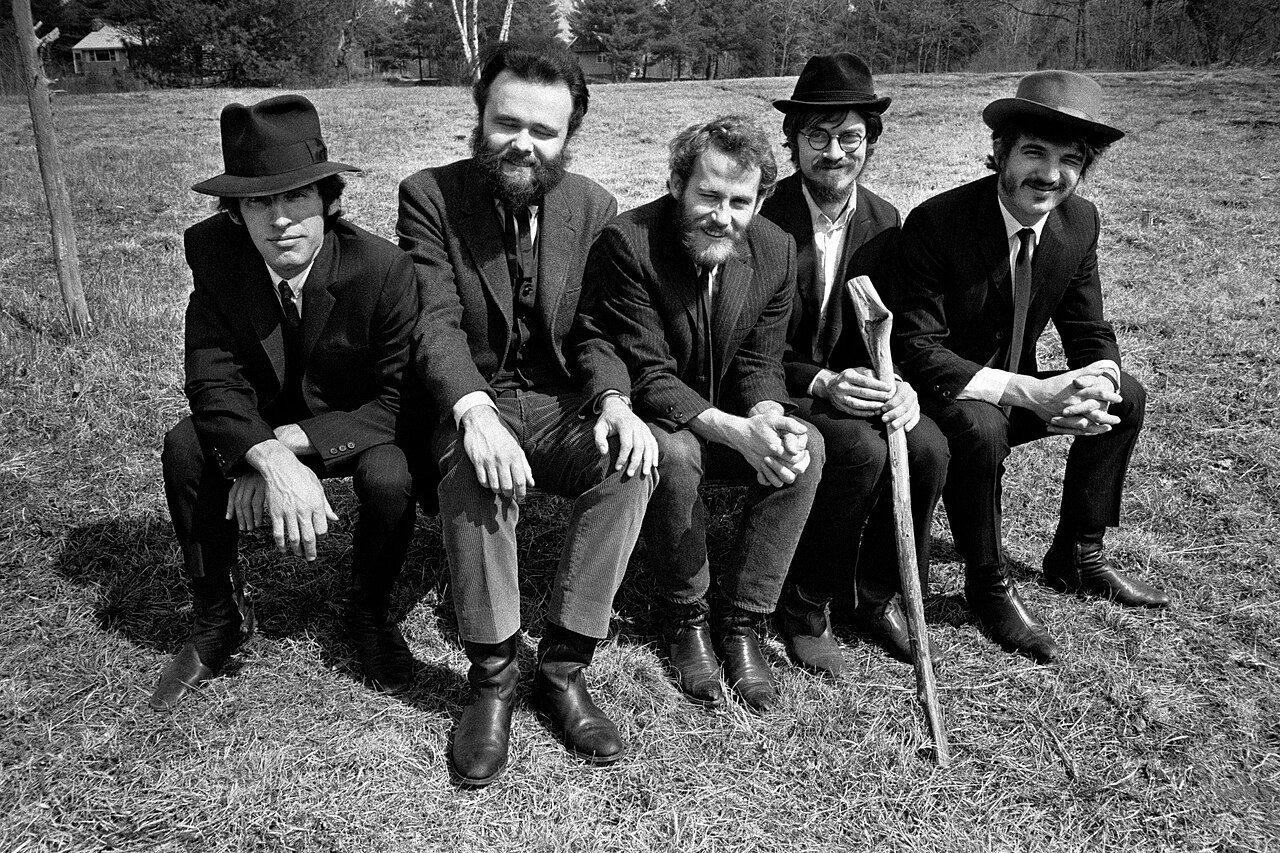
By 1976 The Band had been on the road in one form or another for about sixteen years. They started as the Hawks, backing the rockabilly singer Ronnie Hawkins, then became Dylan's backing band during his loud, booed electric tours of the mid-1960s. Their own records, Music From Big Pink in 1968 and The Band in 1969, sounded like nothing else at the time: old, rural and odd, made by four Canadians and one man from Arkansas.
Robbie Robertson, the guitarist and main songwriter, wanted to stop touring. The life had worn the group down, and he pitched a farewell show as a proper send-off. Not everyone agreed. Levon Helm, the drummer and singer from Arkansas, later made clear in his memoir that he never wanted the group to end, and he was bitter about how the film came together. Both views are part of the story, and I don't think you have to pick one to enjoy the music.
A guest list that still looks made up
The idea was to bring out the people who had shaped The Band or played alongside them. Ronnie Hawkins came back to holler through "Who Do You Love." Dr. John sat at the piano. Paul Butterfield played harmonica, Muddy Waters sang "Mannish Boy," and Eric Clapton traded guitar parts with Robertson (a strap came loose mid-solo, which the film keeps in).
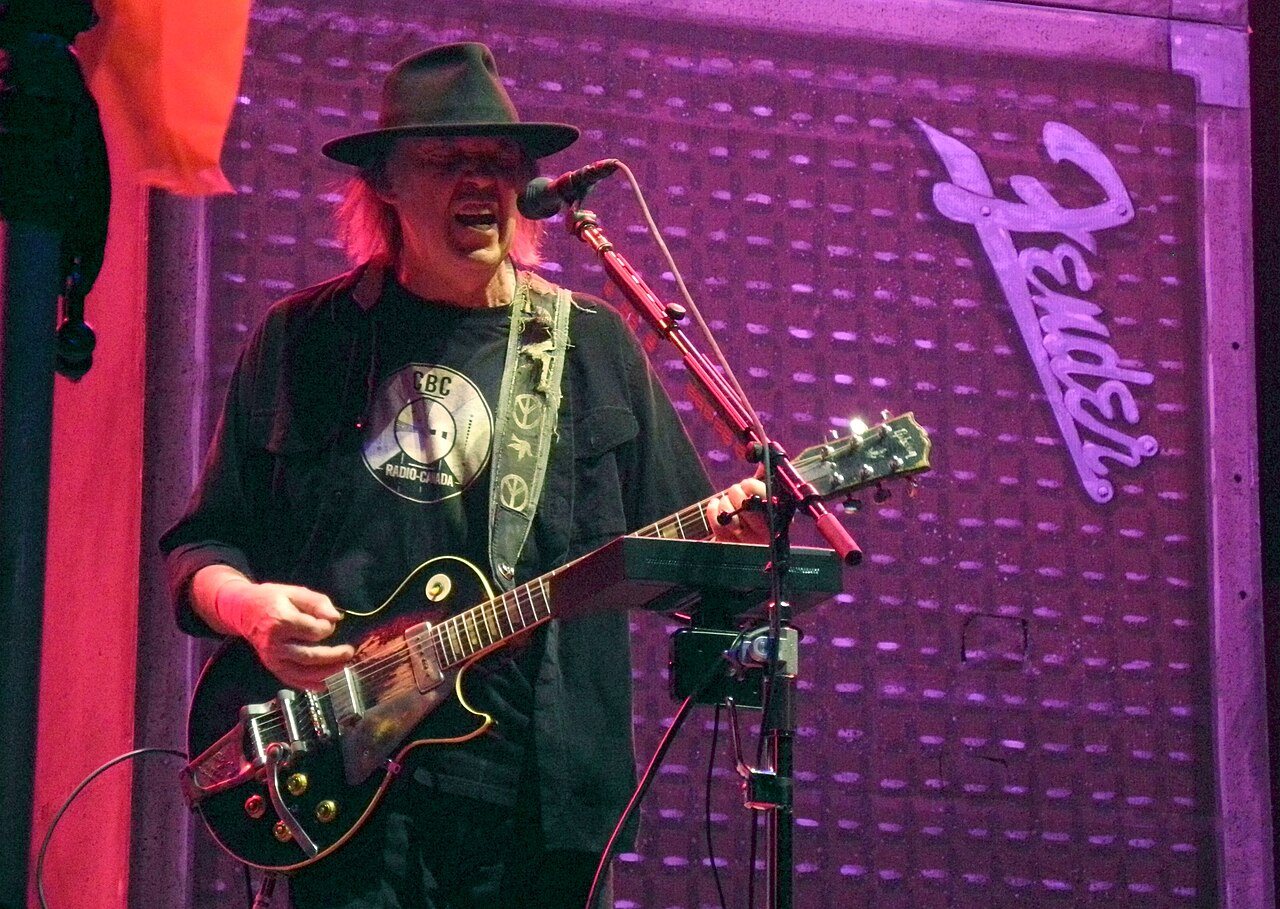
Neil Young sang "Helpless" with Joni Mitchell harmonising offstage. Van Morrison did "Caravan" in a tight maroon outfit and kicked his legs like a man trying to shake off a dog. Neil Diamond was there too, which still puzzles some fans, although Robertson had produced his album that year.
Dylan closed the main set. He had been unsure about being filmed and only agreed late, and his songs ended with nearly everyone crowding the stage for "I Shall Be Released," Ringo Starr and Ronnie Wood included.
How Scorsese shot it
Scorsese was coming off Taxi Driver and treated the concert like a feature. He drew up shot plans keyed to the lyrics, so cameras knew who would sing which line. The cinematographers included Michael Chapman, László Kovács and Vilmos Zsigmond, and the stage was dressed with sets borrowed from a San Francisco Opera production of La Traviata.
He also added two things that weren't part of the concert. There were interviews with the band members, shot later, where they sit around talking about the road with Scorsese asking questions. And there were studio performances on a soundstage, including "The Weight" with the Staple Singers and "Evangeline" with Emmylou Harris. "The Weight" with Mavis and Pops Staples might be the best five minutes in the film. If I had to show a friend one scene to sell them on the film, it would be that one.
The arguments that came later
The film made Robertson the centre of the story, framed in close-ups and doing much of the talking. Helm felt that shortchanged the rest of the group, especially Richard Manuel, Rick Danko and Garth Hudson, whose voices and keyboards were half of The Band's sound. Some of the live audio was also fixed up in the studio afterwards, which is common with concert films and which people still argue over.
Whatever you think of that, the group as it played that night never really happened again. The Band re-formed without Robertson in the 1980s and toured for years, but Manuel died in 1986, Danko in 1999 and Helm in 2012. Robertson died in 2023, and Garth Hudson, the last of the five, died in January 2025. So this is the first big anniversary with none of them around to talk about it.
Watching it on the 50th
If you've never seen The Last Waltz, tonight is a good excuse, and it works even if you only know two or three of the songs. Start with "The Night They Drove Old Dixie Down," then the Staples' "The Weight," then go back and watch the whole thing in order.
The triple album released in 1978 is worth a spin too, partly because it includes performances that didn't make the film. And if you want the other side of the story, Helm's memoir This Wheel's on Fire and Robertson's Testimony tell it from opposite ends of the stage. They disagree about a lot, including who deserved credit for the songs, so reading them back to back makes a strange companion to the film.
Enjoyed this story?Get a new one every day on social.